
Chlamys
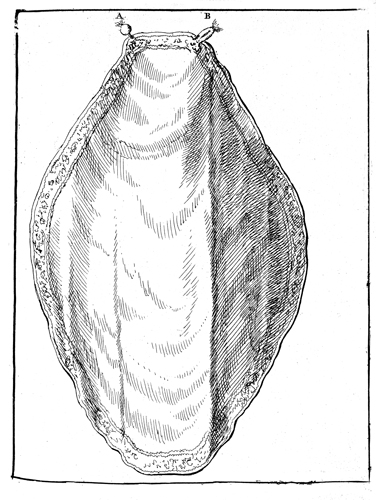
Author: Cuper, Gisbert, 1644-1716
Image Title: Chlamys
Description: An illustration of the chlamys, an ancient Greek prototype of the short cloak that developed through the Roman and Byzantine empires into the 12th century CE. The chlamys was the characteristic garment of the Greek god Hermes and his Roman counterpart Mercury, and could be worn over a himation and chiton, although it was often the sole garment of young soldiers and messengers. Around the size of a blanket, the chlamys was made of a seamless rectangular piece of bordered material pinned with a fibula at the right shoulder, although the design pictured here uses a button that slips through a small loop to secure the cloth. Alexander the Great’s (356 – 323 BCE) association with the chlamys and the founding of Alexandria established the garment as a cultural symbol that was emulated by Roman emperors and generals long after his death.
Click here for additional images available from this book.
Request a high-resolution file (fees apply)
Rights Statement: The online edition of this work in the public domain, i.e., not protected by copyright, has been produced by Pitts Theology Library, Emory University.
Rights Status: No Copyright - United States
Pitts Theology Library provides copyright information as a courtesy and makes no representation about copyright or other legal status of materials in the Digital Image Archive.